Discover Kooksoo
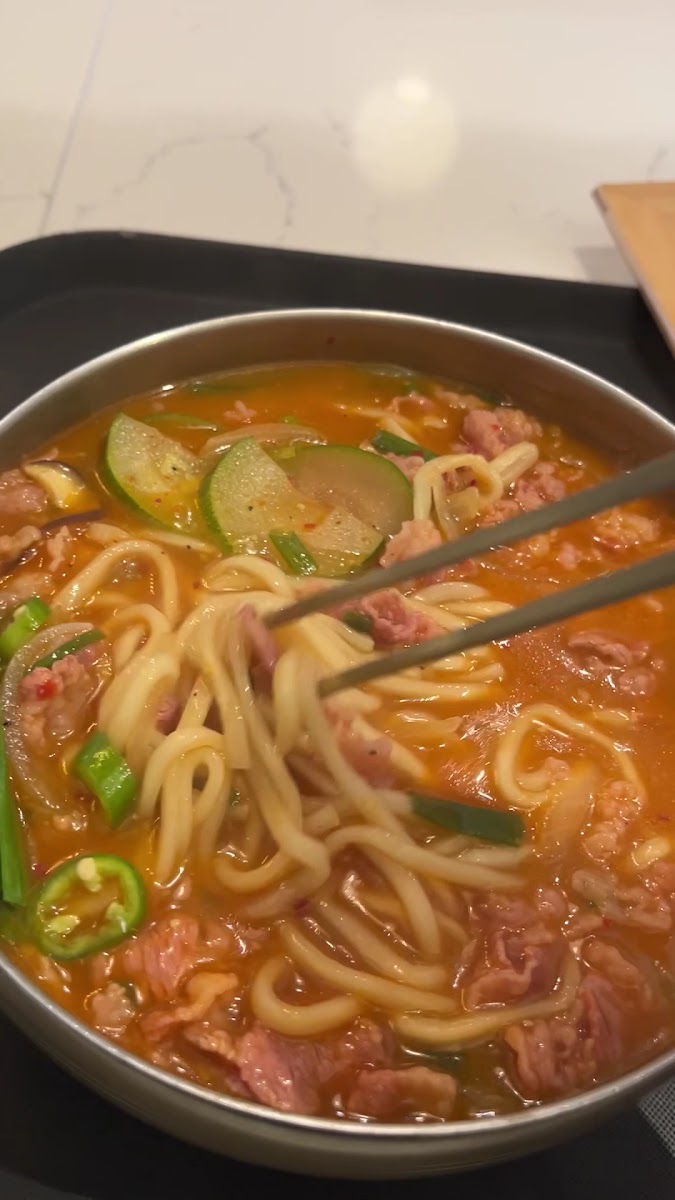
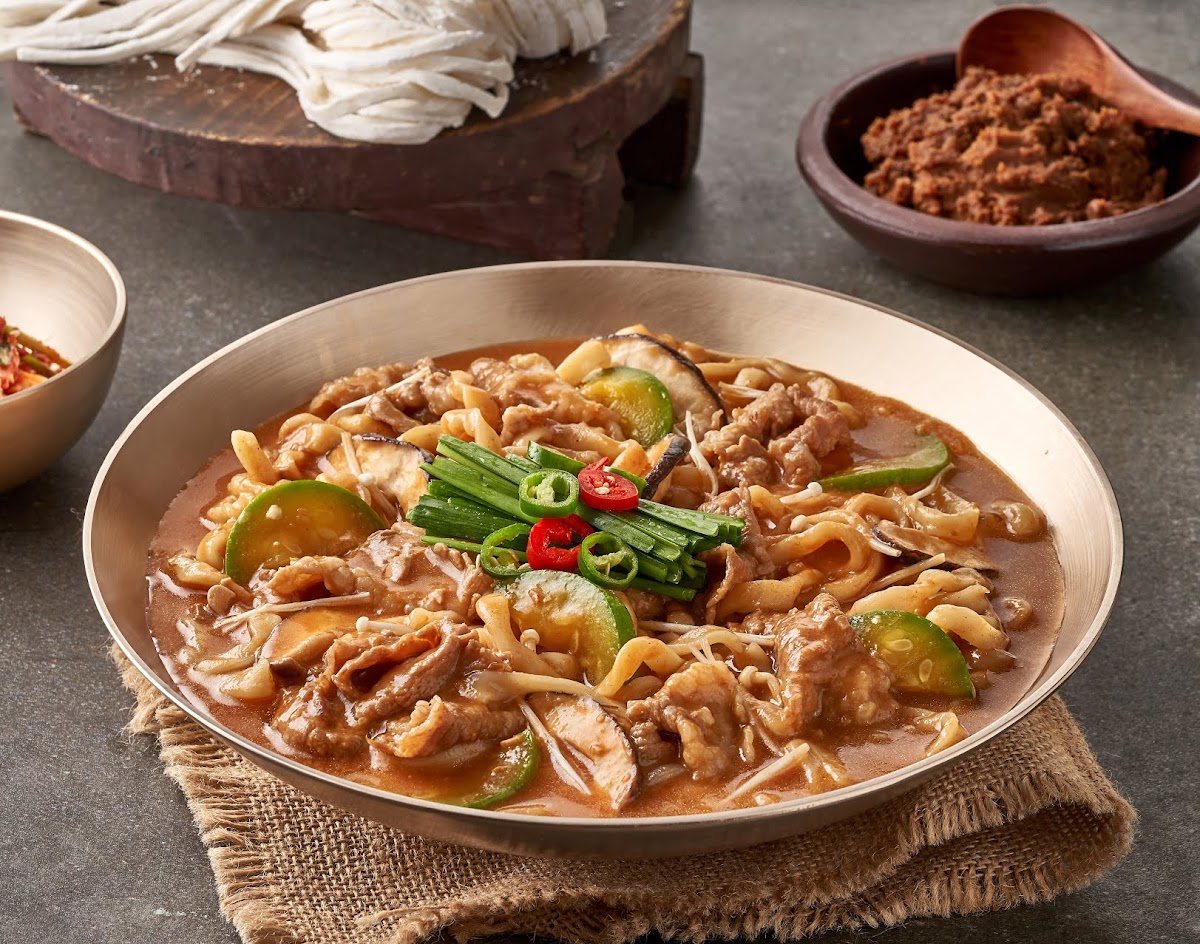
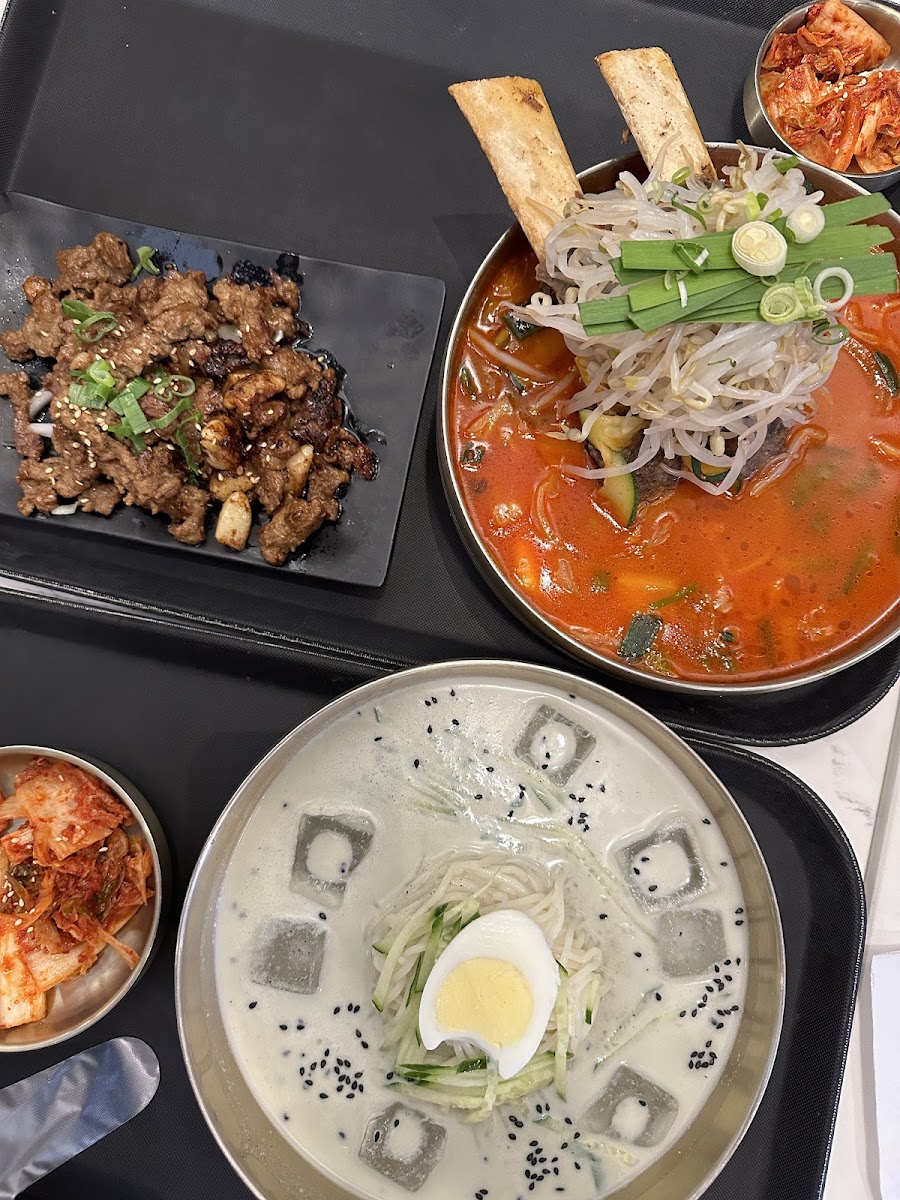
The menu centers around handmade Korean noodles, and that focus shows. When I spoke with a server during one visit, she explained that the noodles are prepared fresh daily using a method common in traditional Korean kitchens, where dough is rested and rolled to achieve the right chew. Food science research backs this up; studies published by the Korean Food Research Institute note that fresh wheat-based noodles retain better texture and aroma compared to pre-packaged alternatives. You can taste that difference here, especially in their signature noodle soups, where the broth clings perfectly to each strand.
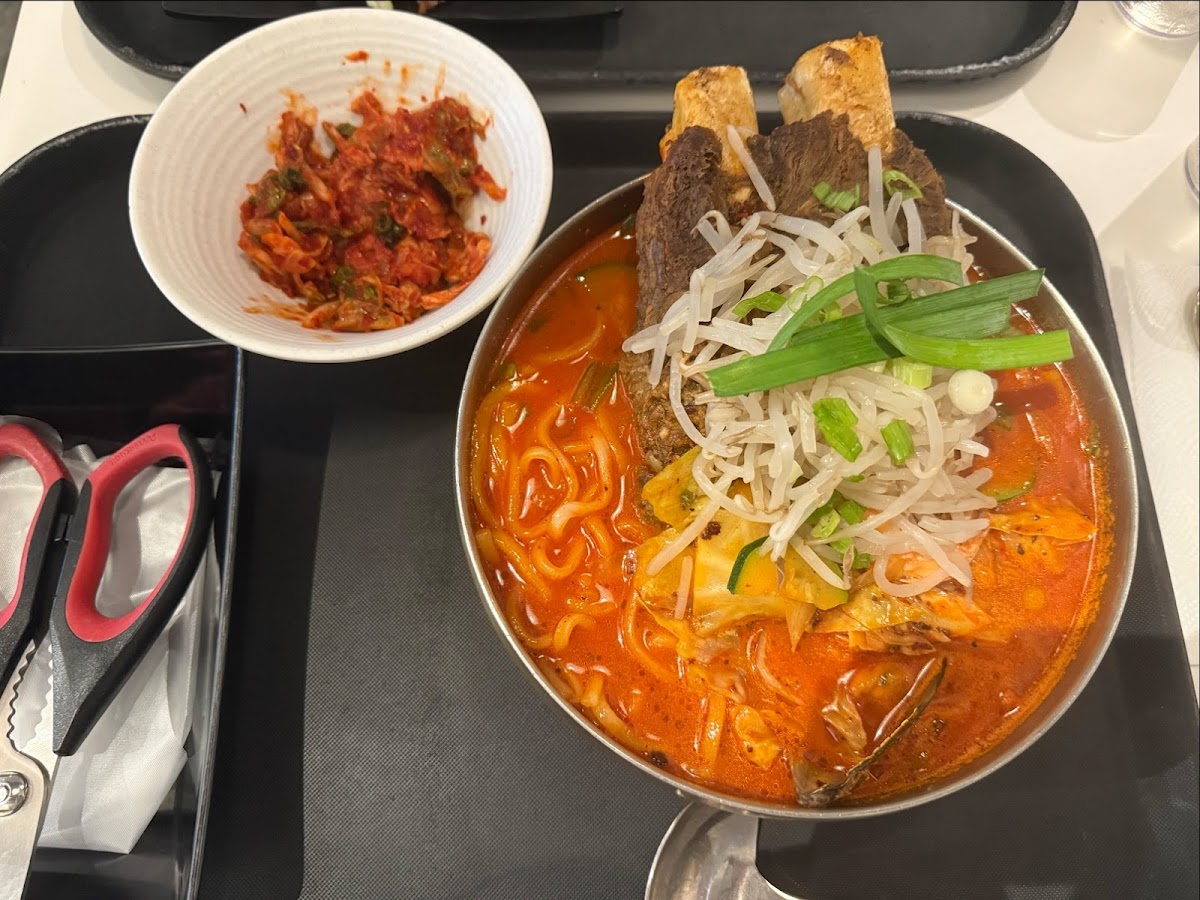
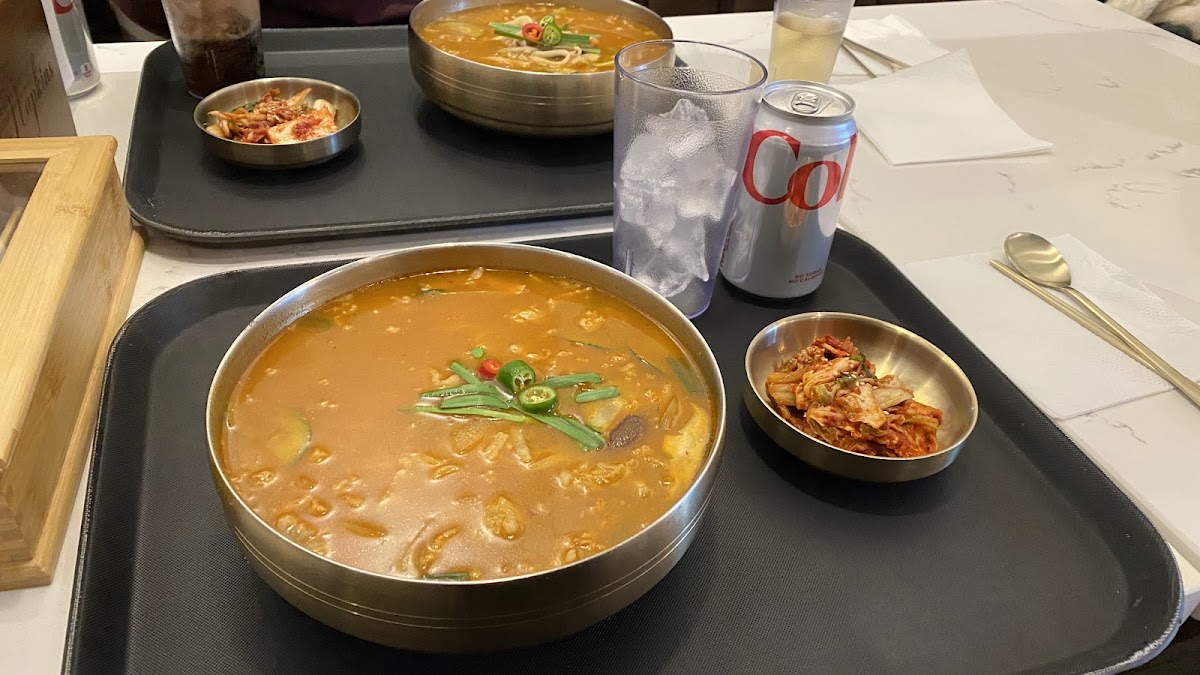
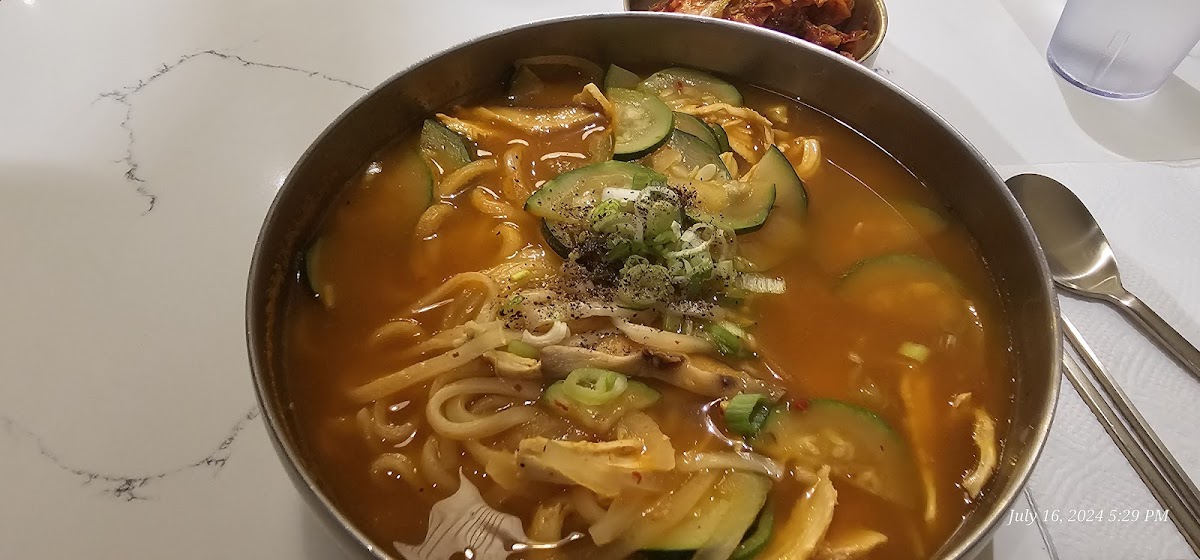
One bowl that stands out is the kalguksu, a knife-cut noodle soup that arrives steaming and fragrant. The broth is light yet layered, made by simmering anchovies and kelp, a technique widely recommended by Korean culinary authorities like the Korean Food Promotion Institute. That slow simmer extracts umami without heaviness, which explains why the soup feels nourishing rather than filling you up too fast. On colder days, I’ve seen regulars come in just for this dish, which says a lot about its consistency.
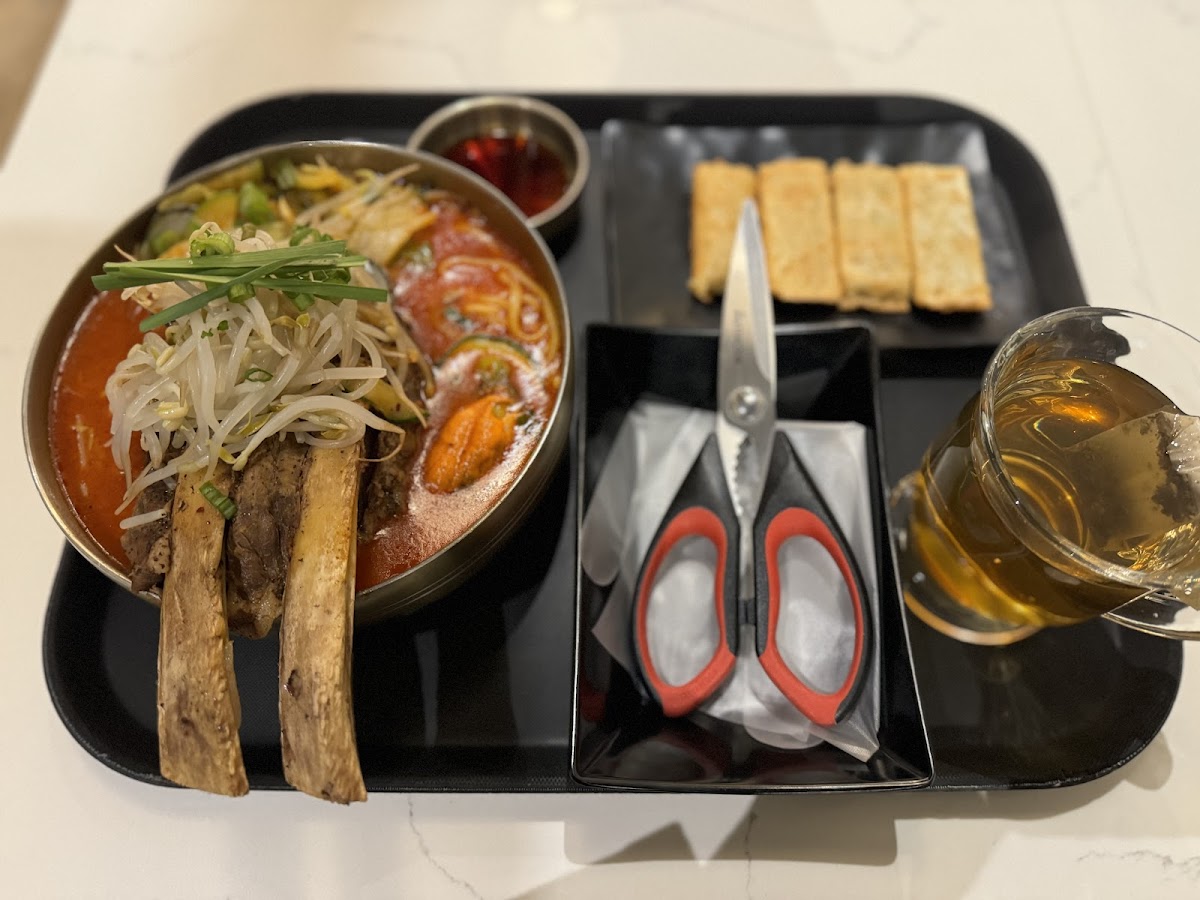
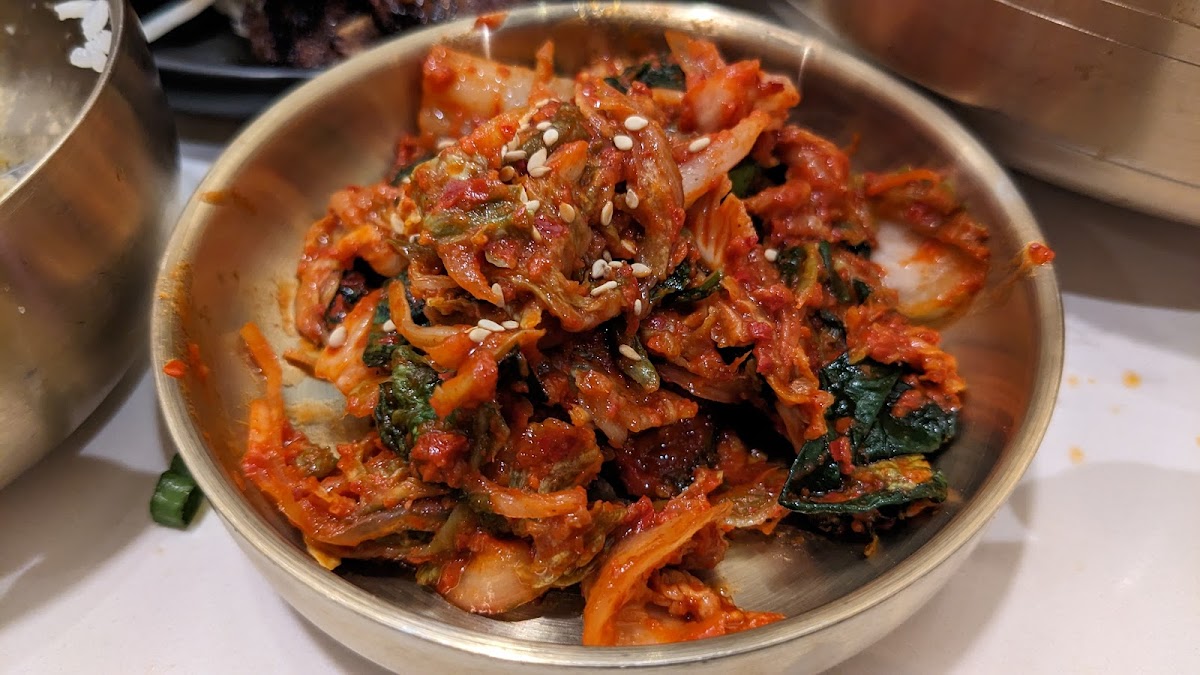
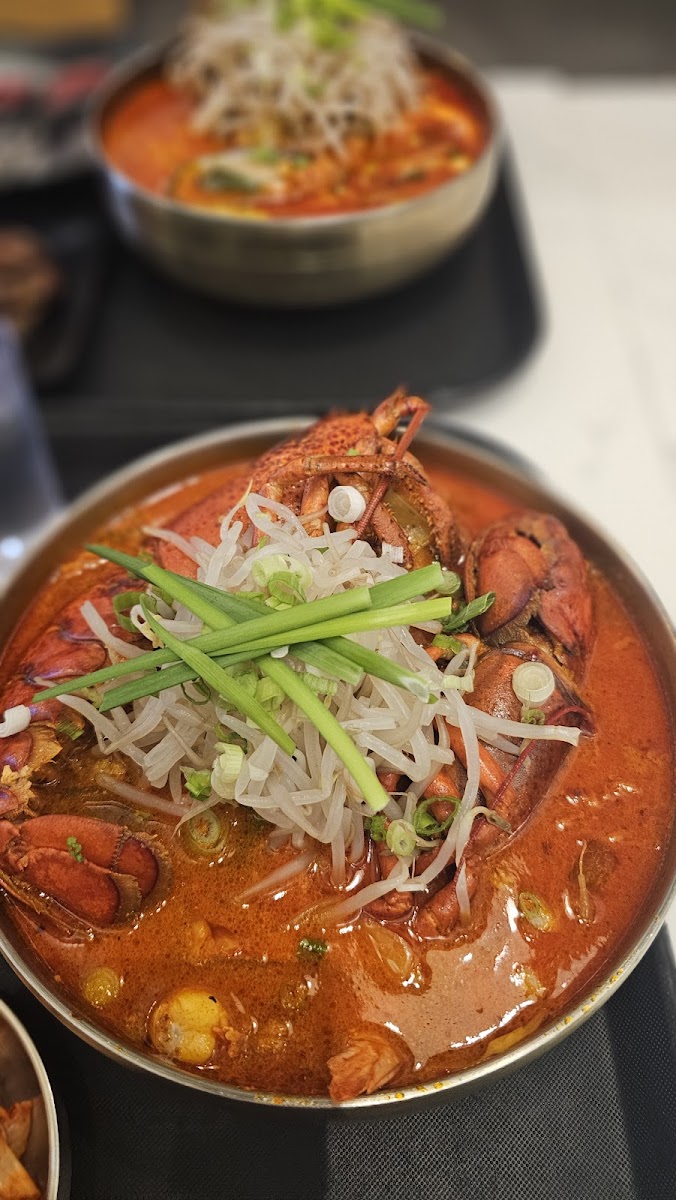
Beyond noodles, the menu includes dumplings, rice dishes, and seasonal specials that rotate based on ingredient availability. A friend of mine, who works as a nutritionist, pointed out that many of these dishes are naturally balanced, combining carbohydrates, protein, and fermented sides. According to data from the World Health Organization, fermented foods like kimchi can support gut health, and it’s refreshing to see them served here as a natural part of the meal rather than a garnish.
Reviews from locals often mention how reliable the food is, and that matches my experience. Even during busy lunch hours, the bowls come out tasting the same as they do on a quiet weekday afternoon. That kind of consistency usually reflects a well-managed kitchen. Restaurants that maintain standardized preparation methods tend to score higher in customer satisfaction, according to the National Restaurant Association, and this place is a solid example of that principle in action.
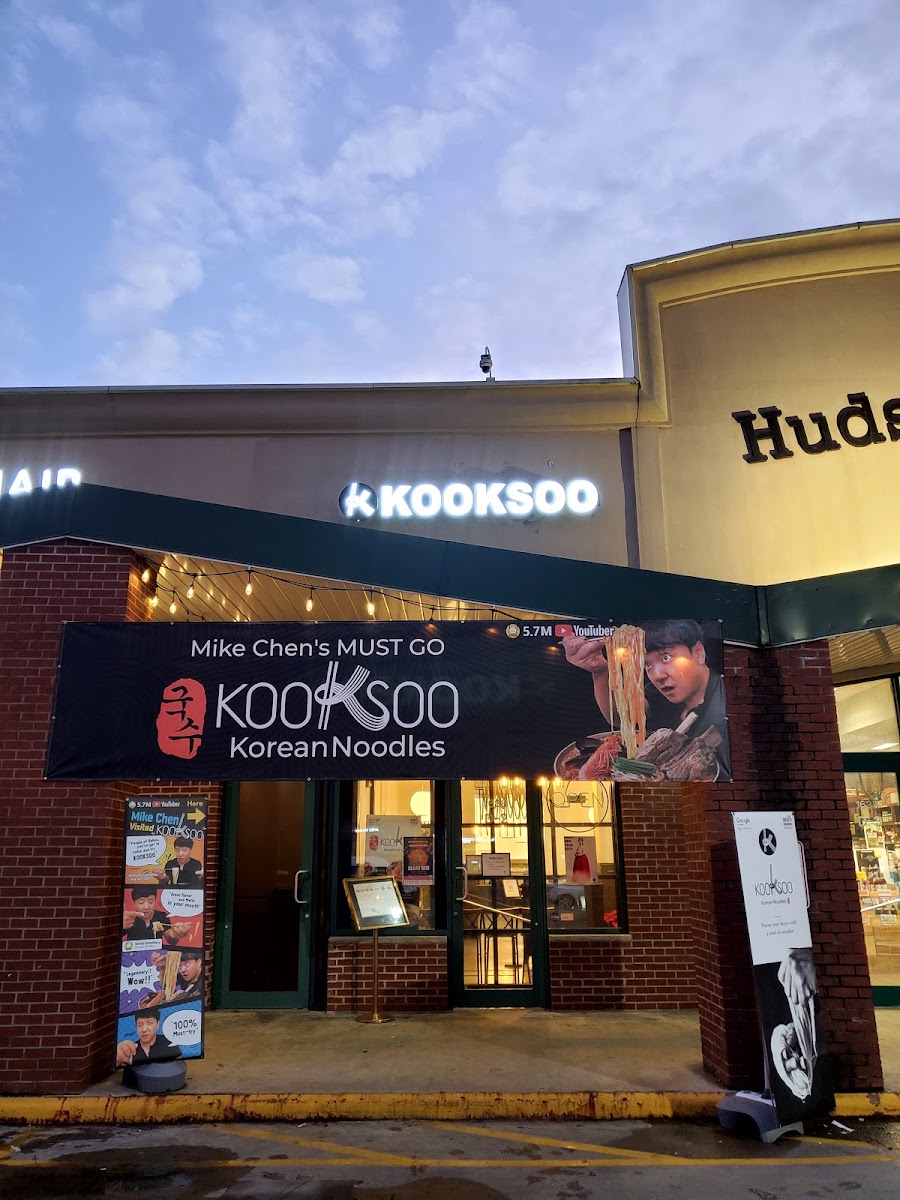
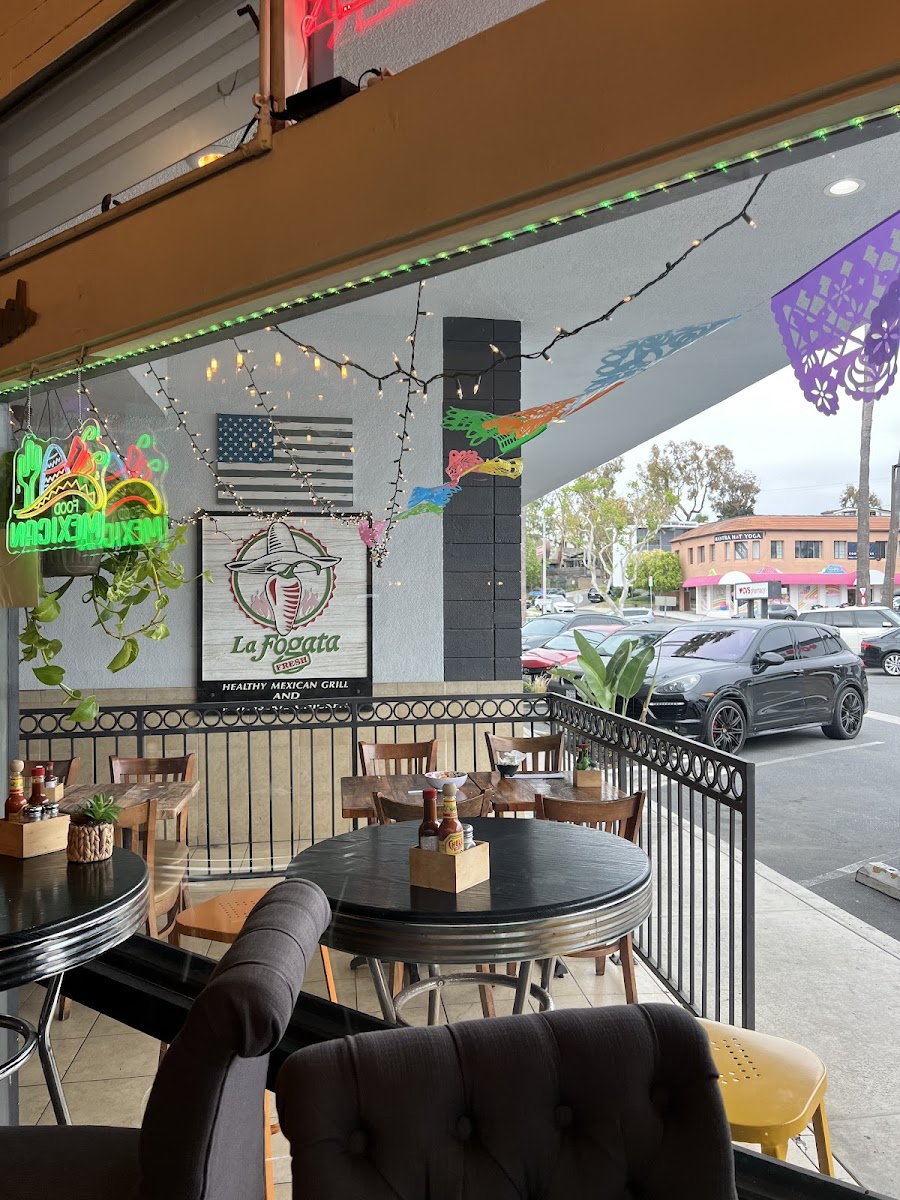
The location in Fort Lee makes it an easy stop for both residents and visitors exploring the area. Parking can be tight during peak hours, which is worth noting, but most diners seem willing to work around that for food they trust. The diner-style setup also makes it approachable if you’re new to Korean cuisine; servers are happy to explain dishes and suggest options based on spice tolerance or dietary needs.
There are limits, of course. This isn’t a flashy dining destination or a place for experimental fusion. If you’re looking for dramatic plating or loud decor, you might feel underwhelmed. But for anyone who values honest cooking, well-prepared noodles, and a menu that knows its strengths, this restaurant delivers exactly what it promises. The steady stream of repeat customers and consistently positive reviews suggest that it has earned its reputation the old-fashioned way: by serving good food, every single day.